Dr. Nikhil Mishra
Development's PI Fellow 2026
Biologist
Biological complexity arises from relative simplicity. For example, a complex organism, such as a human being, starts its journey as a relatively simple cell — the egg — which, upon fertilization by the sperm, becomes active and organizes itself in a highly stereotypical manner. Only once this happens, can the egg transform into a functional organism, with the right cells, tissues, and organs in the right places. I am interested in understanding how the very shape of the egg influences the trajectory of this transformation and determines the eventual outcome.
My journey

Pre-2011
I was born and brought up in Mumbai (MH, India), where I also went to Ramniranjan Jhunjhunwala College (affiliated with the University of Mumbai) to pursue a BSc in Biotechnology.
2011-2014
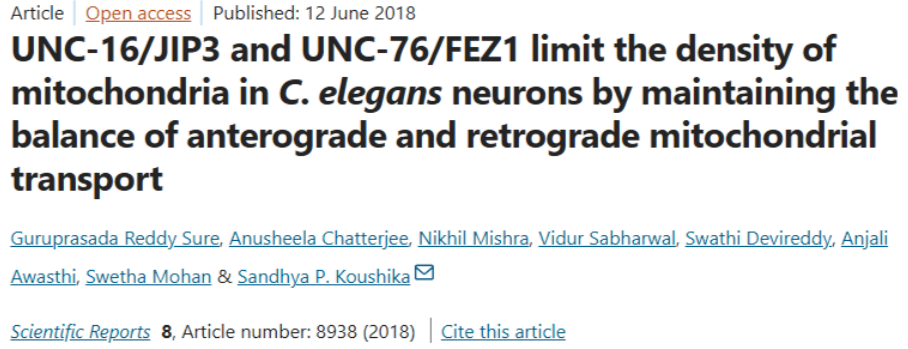
Thereafter, I joined the MSc (by research) programme in Biology at the Tata Institute of Fundamental Research in Mumbai, where I performed my dissertation research in Prof. Sandhya Koushika's laboratory. My masters' research focused on understanding how mitochondrial density in neuronal processes, a key determinant of neuronal health, is tightly regulated by cytoskeletal proteins.

Mitochondrial transport in the PLM neuron in C. elegans.
2015-2019
I then moved to Prof. Barbara Conradt's laboratory at the Ludwig Maximilian University of Munich in Germany for a PhD in Biology. Here, I uncovered a novel role of the cell death machinery in regulating both the size and contents of cells already at the time of their birth. This ensures the specification of the correct cell fates and their execution in a timely manner.
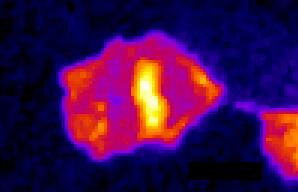
Asymmetric division of the QL.p neuroblast in C. elegans.
Since 2020
This was followed by a postdoc in Prof. Carl-Philipp Heisenberg's laboratory at the Institute of Science and Technology Austria, where I established the very shape of the zygote as a major determinant of its future, as it initiates a cascade of symmetry-breaking events across processes and scales, eventually patterning the embryo.
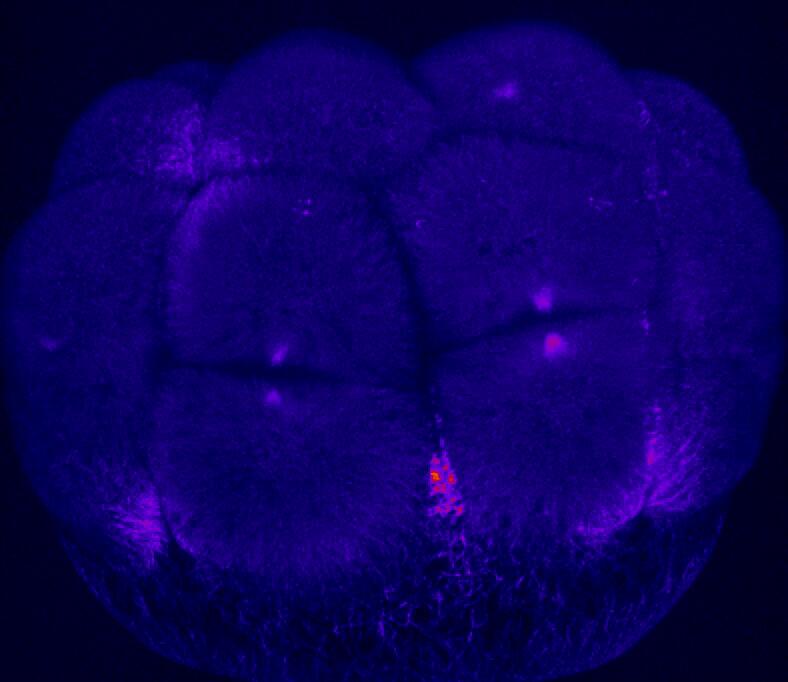
Mitotic waves in a cleavage-stage zebrafish embryo.
Funding source
Funding source
Funding source





My interests
Research interests
Developing systems, such as embryos, change rapidly as numerous complex processes shape an organism in a coordinated manner. Evidence suggests that these processes are noisy, making developmental reproducibility an apparent mathematical improbability. Yet, in most cases, an embryo successfully transforms into a stereotypical organism, presumably beating such odds. How is this reproducibility achieved? This is the central question I am interested in answering.


Non-research interests
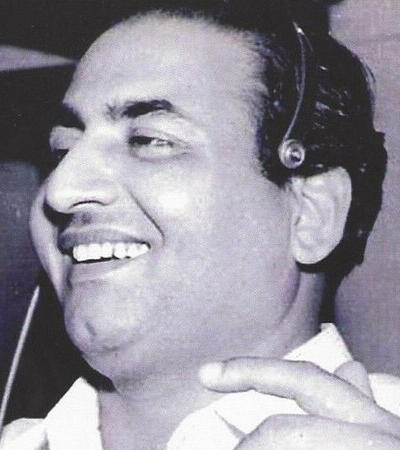
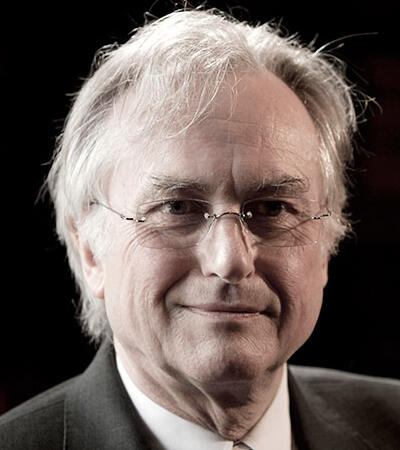
Outside the laboratory, I am a passionate follower of cricket, an avid listener of music, and a curious, but novice, student of astronomy. I admire Rahul Dravid, the late Mr. Mohammad Rafi, the late Ms. Lata Mangeshkar, Prof. Richard Dawkins, and the late Prof. Carl Sagan, and I have found myself positively influenced by their conduct, virtues, and teachings on numerous occasions.


My research outputs
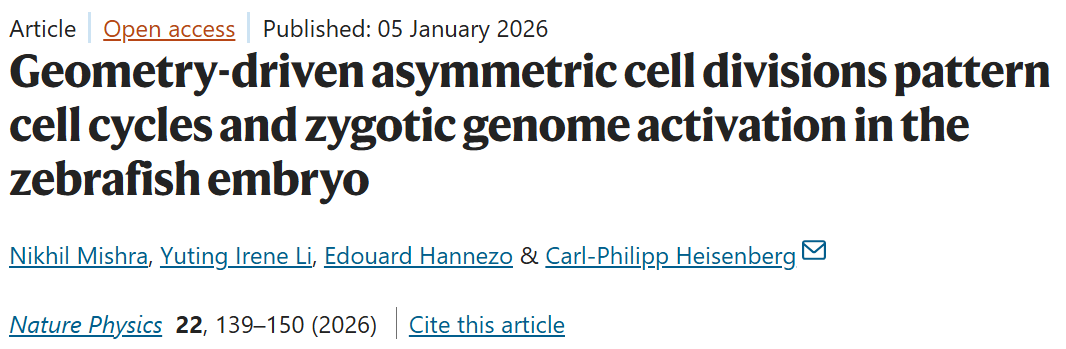
Embryo-scale analysis of pattern formation
How geometry guides development

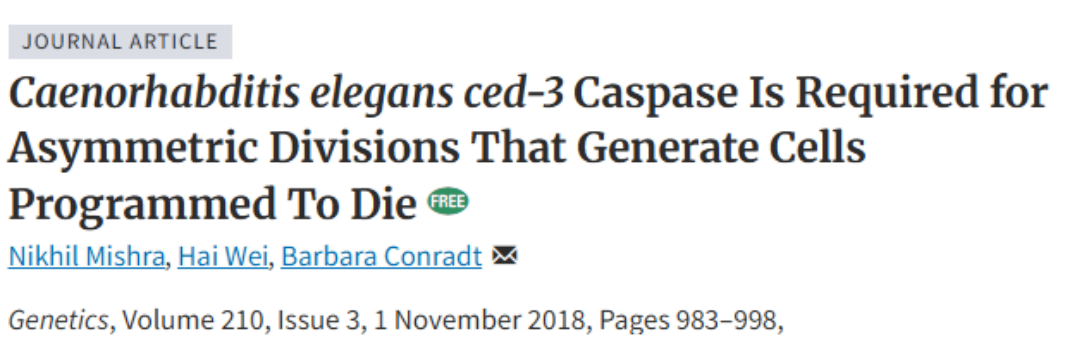
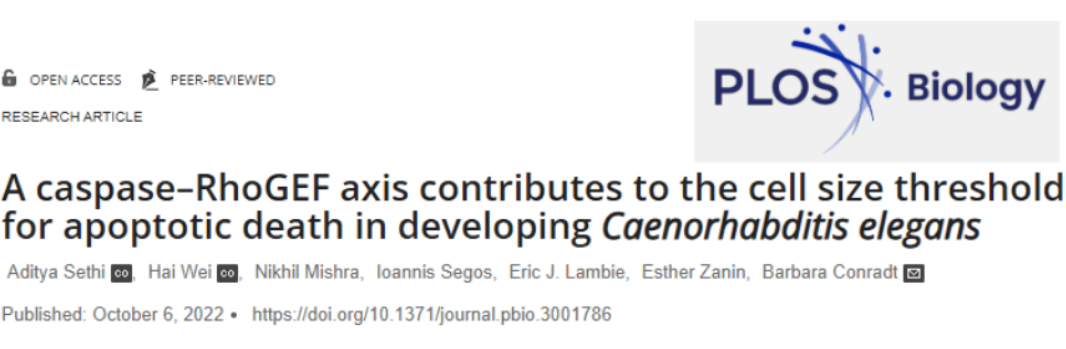
Cellular-scale pattern formation
How the cell death machinery influences cell birth
Subcellular-scale pattern formation
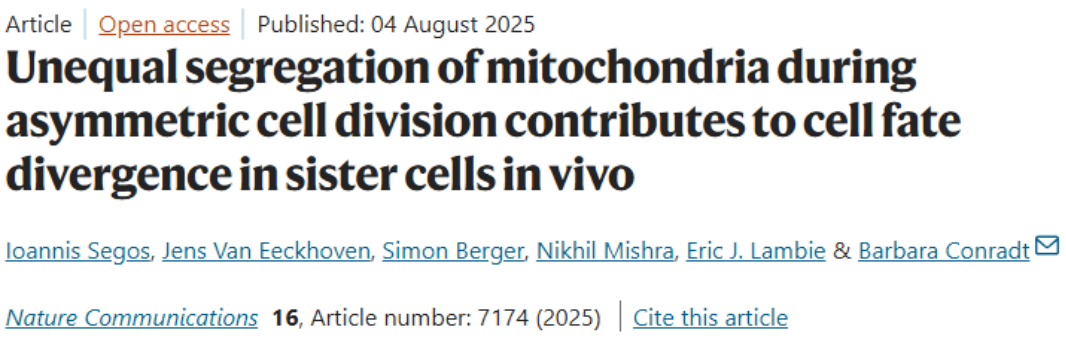
How mitochondria are segregated during cell birth and distributed in neurons
Interdisciplinary approaches to study morphogenesis
An entry point for new researchers

Media coverage and highlights
Recent highlights and interviews

An interview with Dr. Nikhil Mishra, a Development's PI Fellow 2026
Other highlights and interviews















Get in touch
I am always excited to interact with people and make new connections. If you would like to get in touch, reach out at the following addresses.
Learn more
Interested in learning more about me? Check out the following spaces.